CipherWatch Your independent guide to digital security & privacy

CipherWatch

Your independent guide to digital security & privacy

Latest Articles

The Passenger in the Database: What Your Connected Car Knows and Who Else Can Find Out
Digital Privacy

The Passenger in the Database: What Your Connected Car Knows and Who Else Can Find Out

Modern vehicles log location history, driving behavior, synced-phone data, and in-cabin activity that can flow to manufacturers, insurers, and third parties. This deep dive explains what US drivers face in 2026, where privacy law lags, and what to ask before assuming a car is just a car.
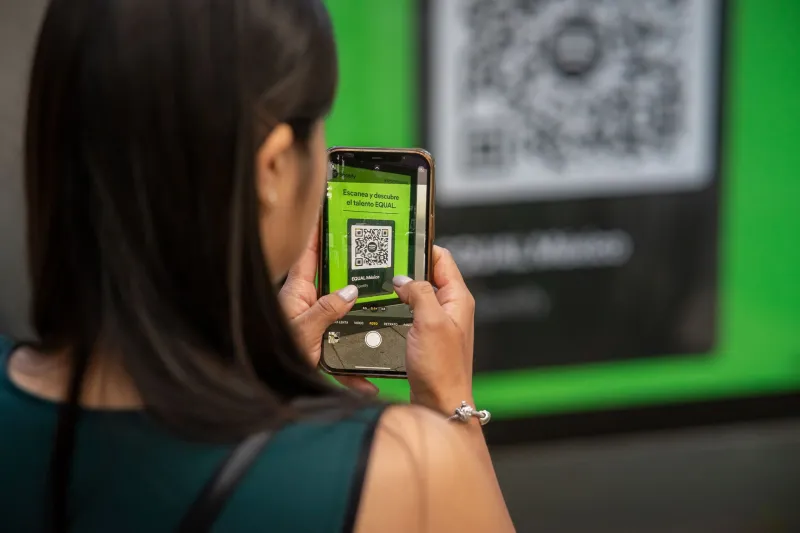

Sticker Shock: How Tampered QR Codes Are Turning Everyday Scans Into Payment Traps
Account Security

Sticker Shock: How Tampered QR Codes Are Turning Everyday Scans Into Payment Traps

QR-code phishing has moved from email attachments into parking meters, menus, and package notices. This scam-awareness guide explains why physical codes are easy to tamper with, how US consumers can check a destination before tapping, and what businesses should do in 2026.

Notice After the Fact: The Broken Promise of Breach Disclosures
Cybercrime & Law Enforcement

Notice After the Fact: The Broken Promise of Breach Disclosures

Breach letters often arrive months after the damage is done, wrapped in legal language and stripped of the details consumers need. This analysis examines the US notification patchwork, the pressure building in 2026, and how to read a disclosure letter without being lulled by it.

The Credential You Cannot Change: Biometric Data Breaches and the Security Crisis No One Has Solved
Authentication & Identity

The Credential You Cannot Change: Biometric Data Breaches and the Security Crisis No One Has Solved

When a database of passwords is stolen, the remediation is straightforward if inconvenient — change the passwords. When a database of fingerprints or facial recognition templates is stolen, there is no equivalent remedy. Biometric data is permanent, and the industries collecting it at scale have outpaced both the regulations designed to govern them and the technical safeguards needed to protect what they hold.

Digital Dead Weight: The Forgotten Apps and Dormant Accounts That Are Quietly Undermining Your Security
Account Security

Digital Dead Weight: The Forgotten Apps and Dormant Accounts That Are Quietly Undermining Your Security

Most Americans are connected to dozens — sometimes hundreds — of digital services they no longer actively use. These dormant accounts and neglected app permissions are not merely clutter; they represent a growing class of security vulnerability that threat actors are increasingly learning to exploit. A structured audit of your digital footprint can close these gaps before someone else does it for you.

Locked But Not Safe: The Uncomfortable Truth About HTTPS and Browser Trust Signals
Cybercrime & Law Enforcement

Locked But Not Safe: The Uncomfortable Truth About HTTPS and Browser Trust Signals

The padlock icon in your browser address bar has long been treated as a universal stamp of legitimacy — but security researchers and federal investigators know better. Cybercriminals have learned to weaponize the very infrastructure designed to protect you, obtaining valid certificates for fraudulent sites and exploiting gaps in how trust is established online. Here is what the padlock actually tells you, and what it emphatically does not.

Authentication & Identity

Permission Granted, Then Forgotten: The Fintech Access Creep Quietly Reading Your Bank Statements

Millions of Americans have connected budgeting apps, payment platforms, and financial aggregators to their bank accounts — and then moved on, never revisiting the permissions they granted. Those authorizations do not expire on their own, and the data pipelines they opened continue flowing long after the apps fall out of use. Understanding how financial data access works, and how to shut it down, is one of the most overlooked steps in personal digital hygiene.

Cybercrime & Law Enforcement

Synthetic Faces, Real Consequences: The Expanding Criminal and Legal Liability Around AI-Generated Impersonation

Deepfake technology has moved from a laboratory curiosity to a tool implicated in fraud, harassment, and political manipulation — and the legal system is scrambling to respond. Prosecutions are mounting, state legislatures are passing targeted statutes, and federal agencies are staking out enforcement positions. This analysis examines where the law currently draws the line between protected expression and criminal conduct in the age of AI-generated impersonation.

Account Security

Cashing Out on You: Why Hackers Are Raiding Loyalty Accounts Before You Even Notice

Airline miles, hotel points, and retail rewards balances represent real monetary value — and cybercriminals have taken notice. A wave of credential-stuffing attacks and targeted breaches has turned dormant loyalty accounts into lucrative targets, often going undetected for months. Here is what you need to know to audit and defend your rewards portfolio before someone else cashes it in.

Closer Than You Think: Managing Cybersecurity Risks When You Share a Roof
Authentication & Identity

Closer Than You Think: Managing Cybersecurity Risks When You Share a Roof

Most cybersecurity advice assumes a threat model where the adversary is a remote, anonymous attacker — a hacker somewhere across the internet probing for vulnerabilities. But for millions of Americans living in shared apartments, college dormitories, and multigenerational households, the most significant security risk may be considerably closer to home. Understanding and mitigating the threats that arise from shared physical spaces requires a different kind of thinking.

Ghost Accounts, Real Profits: The Data Broker Industry That Never Forgets You
Account Security

Ghost Accounts, Real Profits: The Data Broker Industry That Never Forgets You

Closing an online account feels like a clean break — but for the data broker industry, your departure is barely a footnote. Brokers continue to package and sell information harvested from abandoned digital footprints long after users believe they have walked away. Understanding how this shadow economy operates is the first step toward reclaiming control of your personal information.

The Phantom Borrower: How Criminals Build Fake People to Steal Real Credit
Cybercrime & Law Enforcement

The Phantom Borrower: How Criminals Build Fake People to Steal Real Credit

Synthetic identity fraud does not steal your identity so much as it borrows a piece of it — blending a real Social Security number with fabricated details to construct an entirely fictional person who can open credit lines, accumulate debt, and vanish without a trace. It is among the fastest-growing and most difficult-to-detect financial crimes in the United States, and its victims often have no idea they are involved until years later.

When the Voice on the Phone Isn't Human: The Rise of AI Audio Fraud
Authentication & Identity

When the Voice on the Phone Isn't Human: The Rise of AI Audio Fraud

Artificial intelligence has made it possible to clone a human voice from as little as three seconds of audio — and criminals are already using this capability to deceive families, defraud businesses, and circumvent voice-based authentication systems. The era of trusting what you hear is ending, and the security implications are profound.

Inbox Zero, Security Zero: Why Email Is Still the Master Key to Your Digital Life
Cybercrime & Law Enforcement

Inbox Zero, Security Zero: Why Email Is Still the Master Key to Your Digital Life

Despite thirty years of security warnings, email remains the single most exploited entry point for corporate breaches and personal identity theft. From sophisticated business email compromise schemes to invisible authentication failures, the threats hiding in your inbox have never been more dangerous — or more misunderstood.

Your Smart Home Is Watching Back: The Hidden Surveillance Risk in Everyday Connected Devices
Account Security

Your Smart Home Is Watching Back: The Hidden Surveillance Risk in Everyday Connected Devices

The average American home now contains dozens of internet-connected devices, from cameras and televisions to routers and thermostats. Security researchers warn that the majority of these devices ship with critical vulnerabilities — and that cybercriminals are actively exploiting them for botnet recruitment, persistent surveillance, and corporate espionage.

One Vault to Rule Them All: The Hidden Risks Inside Your Password Manager
Account Security

One Vault to Rule Them All: The Hidden Risks Inside Your Password Manager

Password managers promise to solve the credential chaos of modern digital life, but security researchers warn that centralizing every login behind a single master password creates a target too tempting for sophisticated attackers to ignore. CipherWatch examines the real-world tradeoffs, expert perspectives, and a practical decision framework to help you determine whether a password manager strengthens or endangers your digital security posture.

The Text Message That Can Empty Your Bank Account: Why SMS Authentication Is on Life Support
Authentication & Identity

The Text Message That Can Empty Your Bank Account: Why SMS Authentication Is on Life Support

Security researchers have spent years warning that SMS-based two-factor authentication is fundamentally broken, yet millions of Americans still rely on it as their primary account protection layer. CipherWatch traces the documented history of attacks exploiting this weakness and examines the next generation of authentication standards that major technology companies are racing to deploy.

Chasing Shadows: How Federal Agents Brought Down the Dark Web's Most Dangerous Marketplaces
Cybercrime & Law Enforcement

Chasing Shadows: How Federal Agents Brought Down the Dark Web's Most Dangerous Marketplaces

The dark web's most notorious criminal marketplaces once seemed untouchable — shielded by layered encryption, anonymous cryptocurrency, and operators who believed they had engineered the perfect crime. Court documents, declassified investigative records, and public prosecutorial filings tell a different story, revealing how federal agents and international partners systematically dismantled these operations through a combination of digital forensics, financial tracing, and old-fashioned investig

Recommended

non gamstop casinos non gamstop casino casinos not on gamstop